
PTD-DBM Peptide for Research | Wnt/β-Catenin Signaling | Elite Peptide Supply
PTD-DBM (Protein Transduction Domain-fused Disheveled Binding Motif) is a specialized synthetic peptide discovered by researchers at Yonsei University. It is a primary molecular tool for investigating the Wnt/β-catenin signaling pathway, a critical biological cascade responsible for tissue development, regeneration, and the regulation of the hair follicle life cycle.
In experimental models, the endogenous protein CXXC5 acts as a negative regulator of follicle development by binding to the Dishevelled (Dvl) protein. PTD-DBM is designed to interfere with this binding, acting as a competitive inhibitor to unlock regenerative signaling.
Key Research Mechanisms & Interests:
- Wnt/β-Catenin Activation: Research focuses on the translocation of accumulated β-catenin to the cell nucleus, which triggers the transcription of genes essential for cell growth and differentiation.
- CXXC5 Inhibition: Studies investigate how PTD-DBM binds to the PDZ domain of Dvl, preventing CXXC5 from suppressing the Wnt pathway.
- Anagen Phase Initiation: Scientists use PTD-DBM to study the transition of hair follicles into the anagen (growth) phase, particularly in murine models.
- Proliferation Markers: Experimental data often monitors elevated levels of Alkaline Phosphatase (ALP) and Proliferating Cell Nuclear Antigen (PCNA) as indicators of follicle functionality and cellular proliferation.
- Tissue Regeneration: Beyond follicles, the peptide is a model for studying broader tissue damage repair through Wnt pathway modulation.
Product Specifications:
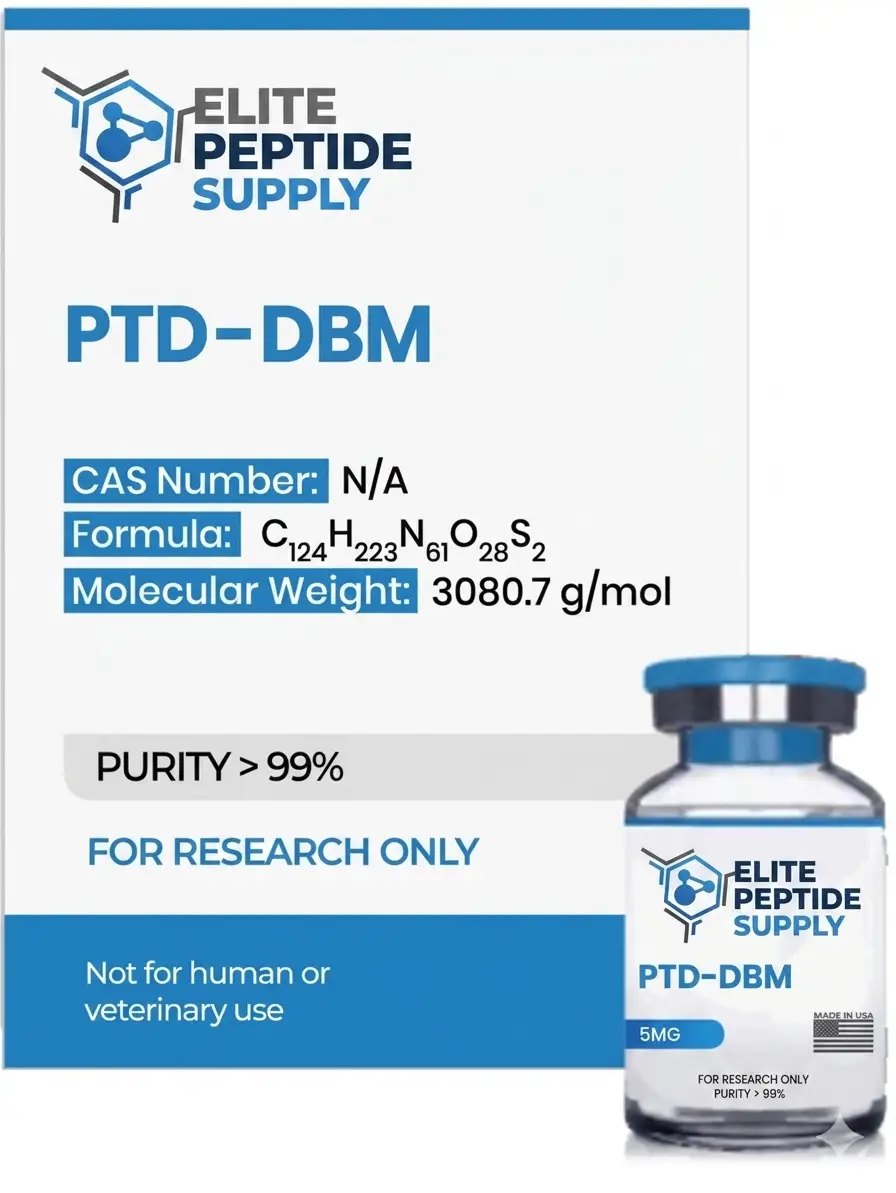
- Amino Acid Sequence: RRRRRRRRGGGG-RKTGHQICKFRKC
- Molecular Formula: C124H223N61O28S2
- Molecular Weight: 3080.7 g/mol
- Structure: Protein Transduction Domain (PTD) fused to a Dishevelled Binding Motif (DBM).
- Purity: ≥99% (HPLC Verified)
- Format: Lyophilized powder for laboratory stability.


Reviews
There are no reviews yet.